
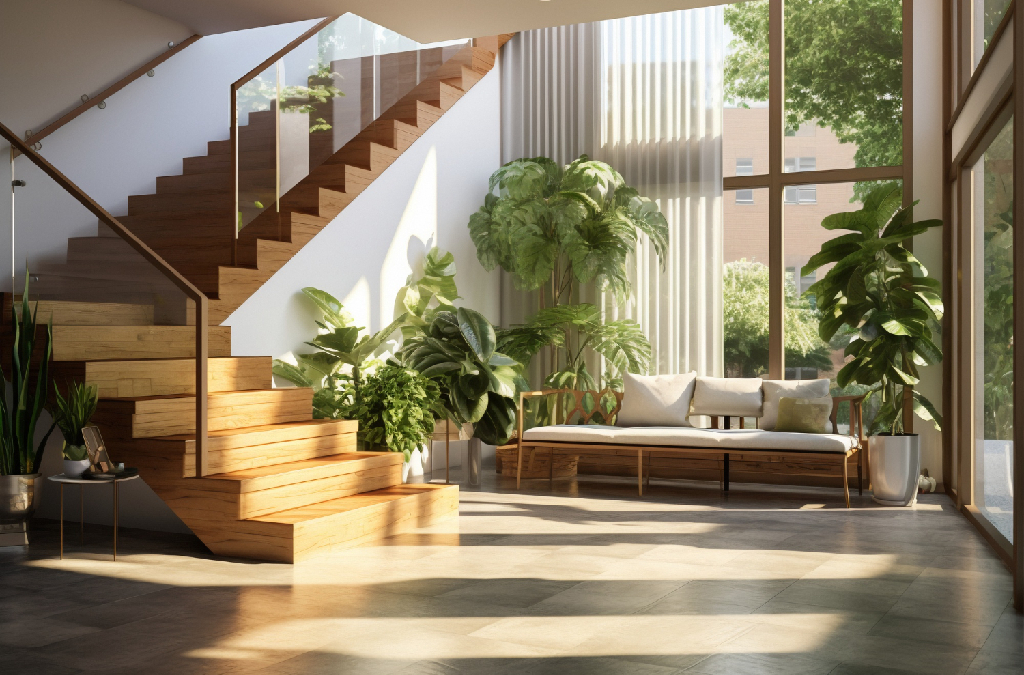
Making a seamless transition between indoor and outdoor living areas is one of the most popular design concepts in modern homes. Whether you have a patio, balcony, garden, pool deck, or simply huge windows that frame the view, the right window treatments can help you blur the lines between inside and out, improving comfort, aesthetics, and overall flow in your house. Coordinated window coverings provide harmony across spaces and allow you to control light, privacy, temperature, and atmosphere both indoors and outdoors.
Below is a comprehensive guide to combining indoor and outdoor window coverings, packed with styling ideas, functional recommendations, and interior design considerations.
Why Coordinating Indoor and Outdoor Window Coverings Matters
When both indoor and outdoor areas use the same design language, the whole house feels bigger, calmer, and more lavish. Coordinated window treatments assist in achieving this by:1. Creating Visual Continuity
Matching or complementing materials, colors, and designs in indoor and outdoor spaces creates a coherent effect. This visual flow helps the space feel more open and interconnected, as if it naturally stretches beyond the walls. This works especially well in homes with sliding doors, wide glass panels, or living rooms that open directly onto a patio.2. Enhancing Natural Light and Views
Coordinated coverings can frame outdoor views, emphasizing the scenery. The right treatments attenuate harsh light while still allowing access to beautiful aspects like gardens, beach views, mountains, or greenery. A coordinated layering of indoor and outdoor materials improves comfort while preserving the beauty outside.3. Improving Comfort and Climate Control
Outdoor coverings frequently provide shade, cooling, or UV protection, whilst indoor coverings offer insulation, glare control, and privacy. When both sets are carefully chosen, they function together to improve energy efficiency and provide a more comfortable living environment.4. Increasing Home Value
Buyers prefer homes that feel open and well-designed. A well-coordinated indoor-outdoor flow, particularly when accompanied by high-quality window coverings, gives the home a premium, intentional feel that can boost perceived value.Best Indoor–Outdoor Window Covering Combinations
Below are the most effective pairings and how they bring indoor and outdoor spaces together beautifully.1. Sheer Curtains Indoors + Outdoor Sheers or Canopy Panels
Why they work:
Sheers provide gentle, delicate movement, light filtration, and seamless elegance. When both indoor and outdoor areas use similar airy materials, the distinction between the two spaces is almost invisible. Indoor Benefits- Softens harsh sunlight without blocking the view
- Adds a dreamy, gentle atmosphere
- Perfect for pergolas, gazebos, verandas, and patio seating areas
- Choose similar colors – whites, creams, or light grays work best.
- Avoid bulky hardware outdoors; opt for rust-resistant rods.
- Flowing fabrics that move with the wind help unify both spaces.
2. Indoor Roller Shades + Outdoor Roller Screens
Why they work:
Roller shades create a clean, minimalist design inside, while outdoor roller screens provide sun protection without detracting from the sleek appearance.Indoor Benefits:- Offers light filtering or blackout options
- Extremely space-efficient – no bulk or visual clutter
- Perfect for modern and minimalist homes
- Blocks heat and UV rays on patios or balconies.
- Protects furniture from fading
- Helps reduce indoor cooling costs when paired with indoor shades
- Use the same or complementary fabric textures.
- Match the cassette or valance color for a unified look.
- Choose solar screens outside for visibility and glare reduction
3. Indoor Roman Shades + Outdoor Fabric Awnings
Why they work:
Roman shades bring character, softness, and elegance to the interior. Awnings complement those outdoors by matching fabric tones and providing weather protection and shade.Indoor Benefits:- Adds texture and sophistication
- Can be customized to match furniture or décor colors
- Ideal for kitchen windows, lounge areas, and bedrooms
- Offers protection from rain and intense sun
- Extends usable outdoor space
- Helps regulate indoor temperatures
- Use the same color palette or pattern family for both.
- Choose fade-resistant outdoor fabrics.
- If Roman shades are patterned, pick a solid-color awning for balance.
4. Indoor Wood Blinds + Outdoor Bamboo or Woven Shades
Why they work:
Natural materials look well in both indoor and outdoor settings. This combination adds warmth and organic texture to your areas while uniting them with a common earthy look.Indoor Benefits:- Offers excellent light control
- Brings warmth and natural texture to the space
- Complements coastal, rustic, boho, and contemporary styles
- Bamboo shades create tropical, spa-like vibes.
- Provides shade while maintaining airflow
- Suitable for patios, gazebos, and balconies
- Match warm wood tones like teak, oak, or walnut.
- Consider the grain pattern to keep the look consistent.
- Pair with neutral textiles outdoors for an elevated design.
5. Indoor Panel Track Blinds + Outdoor Curtains
Why they work:
Panel track blinds are great for covering large sliding doors in the home. When combined with outdoor curtains in complementary materials, the effect is an exquisite and unified indoor-outdoor connection.Indoor Benefits:- Perfect for floor-to-ceiling glass doors
- Minimalist and contemporary.
- Easy to operate for daily access to outdoor areas
- Adds softness, privacy, and shade
- Provides wind and glare control
- Suitable for balconies and verandas
- Use fabrics in related tones. E.g., beige indoor panels + taupe outdoor curtains.
- Opt for weather-resistant, mildew-proof outdoor fabrics.
- Extended panel tracks help visually elongate the space.
6. Indoor Drapery + Outdoor Roller Blinds
Why they work:
While exterior roller blinds maintain an ordered and practical appearance, heavy draperies indoors create an opulent, refined atmosphere.Indoor Benefits:- Adds drama, insulation, and privacy
- Great for formal living rooms and master bedrooms
- Provides privacy from neighbors
- Blocks sunlight and heat
- Offers weather protection
- Use indoor drapes in richer tones and outdoor blinds in neutral tones for balance.
- Avoid matching fabrics exactly – coordination should feel natural, not forced.
- Use similar hardware finishes (brushed nickel, matte black, bronze)
Design Principles for Perfect Indoor – Outdoor Coordination
1. Choose a Unifying Color Palette
Choose a color palette that flows throughout both locations. You don’t need identical fabrics, just tones that work well together. Best palettes for seamless transitions:- Neutrals (white, beige, taupe, stone)
- Earth-inspired colors (terracotta, olive, sand)
- Coastal tones (seafoam, soft blue, driftwood gray)
2. Prioritize Durable, Fade-Resistant Fabrics Outdoors
Outdoor materials must withstand:- Sun exposure
- Humidity
- Rain
- Wind
- Mold/mildew
- Solution-dyed acrylic
- Polyester blends
- Weather-resistant canvas
3. Consider Light Direction
To coordinate properly, think about how light moves through your spaces:- West-facing areas need stronger UV protection.
- South-facing areas may require dual-layer solutions.
- North-facing areas benefit from light-enhancing sheers.
4. Match Textures or Patterns Across Spaces
Even subtle textural similarities help unify the areas:- Linen + outdoor polyester-linen blends
- Woven woods + bamboo shades
- Patterned indoor fabric + solid outdoor version in the same color
5. Maintain Hardware Consistency
Coordinating hardware finishes ties the look together:- Brass
- Matte black
- Chrome
- Oil-rubbed bronze
- Brushed nickel
Functional Considerations
1. Privacy
Outdoor coverings frequently provide privacy from outside viewers, whilst indoor coverings ensure privacy after dark.2. Light Filtering vs. Blackout Needs
Consider how much light you want:- Use light-filtering materials indoors.
- Use sun-blocking materials outdoors.
- Combine the two for flexibility.
3. Ventilation
Outdoor coverings should allow airflow—avoid overly thick fabrics that trap heat.4. Maintenance
Outdoor coverings require materials that are easy to clean and mold-resistant. Choose washable or stain-resistant materials for high-traffic areas of the home.Styling Ideas for a Beautiful Indoor – Outdoor Flow
1. Coastal Look
- Sheer white curtains indoors
- Light beige outdoor drapery
- Woven textures (jute rugs, wicker furniture)
2. Urban Modern
- Indoor roller shades in cool gray
- Outdoor solar screens in charcoal
- Concrete, metal, and glass accents
3. Tropical Resort Style
- Indoor bamboo shades
- Outdoor billowy white canopy panels
- Wooden furniture and potted palm plants
4. Minimalist Zen
- Panel track blinds inside
- Neutral outdoor fabric shades
- Clean lines, soft lighting, and natural greenery

Recent Comments